Call
0113 436 0402

Request A Quote
Ensuring the safety of your electrical systems is not only essential for protecting your employees but also for safeguarding your property and maintaining legal compliance.
In this article, we’ll explore the key electrical safety risks in office buildings and provide actionable steps to avoid them.
A short circuit is one of the most common electrical hazards in any building. It occurs when an unintended path allows current to flow between two conductors, causing excessive heat, sparks or even fires. In an office setting, short circuits often happen in outlets, wiring and appliances.
Overloading circuits is a significant risk, especially in offices where numerous devices like computers, printers and other electronics are running simultaneously. Overloaded circuits generate excess heat, which can lead to fires if the wiring isn’t up to code.
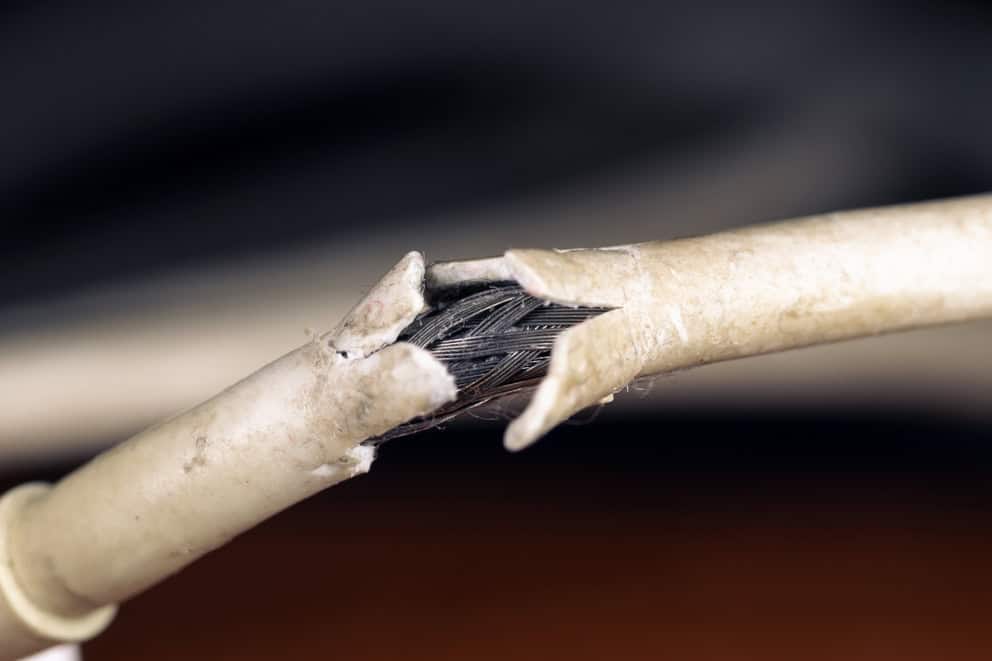
Damaged or exposed wires pose an immediate risk of electric shock or fire, particularly in areas with high foot traffic. These issues are often caused by wear and tear, accidental damage or poor initial installation.
Extension cords and power strips are often used in offices to provide more outlets. However, when misused, they can become a fire hazard. Overloading power strips or daisy-chaining multiple extension cords can easily cause overheating.
An RCD is a safety device that cuts off the power if there is a fault that could cause electrocution. Without RCDs, the risk of electric shock is much higher. That’s especially true in areas where moisture is present, such as kitchens or bathrooms in office settings.
In addition to protecting lives and property, maintaining electrical safety in the office is crucial for compliance with regulations. The Electricity at Work Regulations 1989 require employers to ensure that electrical systems are maintained to prevent danger. Failing to adhere to these regulations can lead to serious legal and financial repercussions.
For instance, if a serious electrical fault is found during an Electrical Installation Condition Report (EICR) and is classified as a Code 1 (C1) fault, immediate remedial action is required. A C1 fault presents an imminent risk of injury or death, and the system must be made safe before the inspection is concluded.
Even less serious issues that result in a Code 2 (C2) classification still require urgent attention. These may not present immediate danger, but they could become hazardous over time or under certain conditions. Examples include missing RCDs or overloaded circuits, which, if left unchecked, could escalate to dangerous conditions.
Conducting regular inspections and maintenance is crucial for identifying electrical issues before they become severe. Having a qualified electrician perform EICRs at regular intervals ensures your electrical systems remain compliant and safe.
Old and outdated electrical systems are more prone to faults. Consider upgrading wiring, outlets and other components to meet current safety standards. Old installations might not meet the standards outlined in the latest edition of BS 7671 – the IET Wiring Regulations.
Employees should be trained to recognise potential electrical hazards, such as frayed cords, faulty equipment or malfunctioning outlets. Regular training and awareness programs can reduce the risk of accidents.
Power surges, caused by storms or equipment malfunction, can damage sensitive office equipment or start a fire. Installing surge protection devices can help mitigate the impact of power surges.
Ensuring that your office’s electrical system is properly grounded is essential for safety. Faulty grounding can lead to electric shock hazards, especially in areas with moisture.
Keep records of all inspections, maintenance work and repairs to ensure compliance and for future reference in case of audits. Proper documentation also helps to demonstrate due diligence in maintaining a safe working environment. Digital electrical compliance can make things easier.
Even with the best precautions, electrical emergencies can still occur. In case of an electrical incident:
If there is an electrical fire or shock risk, stay calm and assess the situation. Avoid touching any electrical components that may be live.
If safe to do so, turn off the power at the circuit breaker to prevent further damage or risk.
Always contact a qualified electrician to handle the situation. Don’t attempt to fix serious electrical faults yourself.
Record the details of the incident, including the nature of the fault and any damage caused. This is crucial for insurance purposes and compliance.
Electrical safety is crucial for protecting your employees, property, and business from potential hazards like short circuits, overloaded circuits and faulty wiring. Regular inspections and maintenance are essential to keeping your office safe and compliant with legal regulations.
At Volta Compliance, we offer expert Electrical Installation Condition Report (EICR) checks to identify potential risks in your electrical systems, as well as Portable Appliance Testing (PAT) to ensure all office equipment is safe to use.
Don't wait for a hazard to happen. Schedule your inspection today to keep your office running smoothly and safely.
