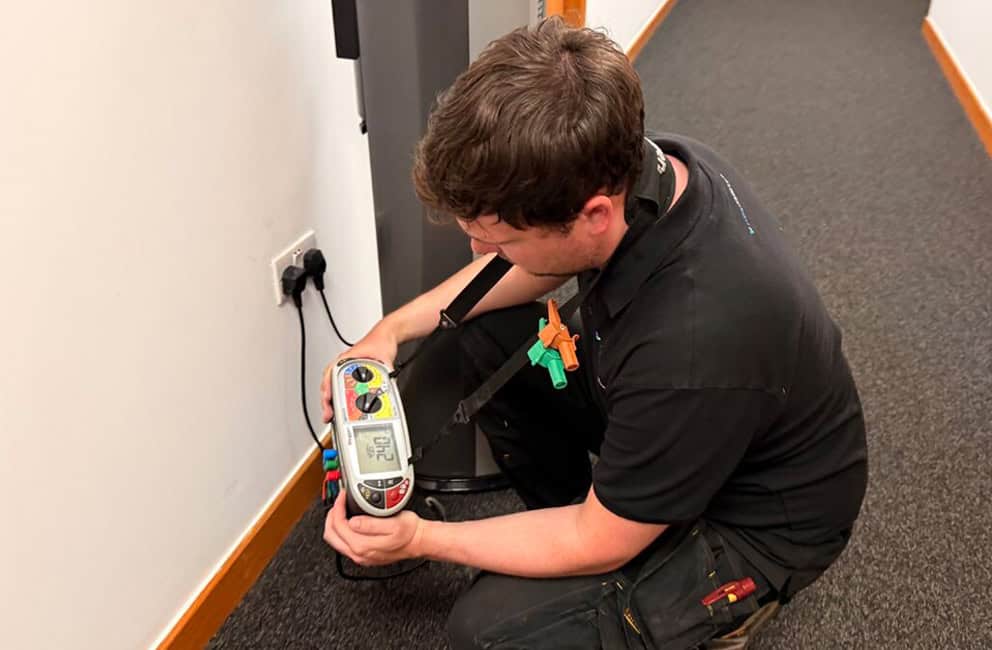
When it comes to electrical safety, few things are more urgent than a C1 classification on your Electrical Installation Condition Report (EICR). Short for “Code 1 – Danger Present”, this is the most serious discovery an electrician can make during an inspection. Put simply, it signifies that there is an immediate risk of injury – or even death – from an electrical fault within your installation.
In this guide, we’ll break down exactly what a C1 classification means, what kind of electrical issues fall under this category, and – most importantly – what you must do if your site receives one.
A C1 classification indicates a clear and present danger. In official terms, the code stands for: “Danger present. Risk of injury. Immediate remedial action required.”
This means the fault poses a real and immediate threat to anyone using or even near the electrical system. It’s not about a potential future risk – a C1 fault is already dangerous and could lead to electric shock, fire, burns or even loss of life.
As a result, urgent intervention is required – and in most cases, the inspecting electrician is obligated to make the system safe before they leave the premises. That might involve switching off circuits, removing fuses or isolating the dangerous part of the installation altogether.
To better understand the seriousness of a C1 classification, let’s look at some common examples:
This is one of the most obvious and dangerous faults. If insulation has worn away, protective covers are missing or damage has left conductors exposed, anyone nearby is at risk of direct contact with live electricity. These types of faults are often found in damaged socket outlets, old light fittings or poorly repaired installations.
This occurs when the live and neutral wires are the wrong way round. It’s not just a technicality, it can result in metal parts of appliances or fittings becoming live, turning something like a microwave or radiator into an electrocution hazard.
Earthing is essential to prevent electric shocks if there’s a fault. If the earthing system is missing or not connected properly, it can fail to carry dangerous fault current safely to the ground, leaving users vulnerable to electrocution. The danger here is particularly serious because it may not be visually obvious.
Cracked faceplates or loose connections can expose terminals, cause overheating or enable access to live parts during routine use. Even something as common as a wobbly plug socket can conceal a severe underlying risk.
While not always visible to the untrained eye, an overloaded circuit can cause wiring to heat up and deteriorate quickly, sometimes resulting in electrical fires. If the protective devices (like circuit breakers) aren’t functioning properly, this becomes a serious fire hazard – warranting a C1 classification.
If a C1 fault is identified during an Electrical Installation Condition Report, the inspecting electrician is legally and professionally required to act immediately. They must make the situation safe before leaving the premises – usually by isolating the circuit or removing power from the dangerous part of the installation.
In addition to this, they need to:
It’s worth noting that, even though the electrician can isolate the fault, it’s still the duty holder’s responsibility to arrange for the remedial work to be carried out without delay.
If your electrical installation receives a C1 code on its EICR, it’s not something you can put off or treat lightly. While there’s no legal requirement to obtain an EICR for all business premises (unless otherwise specified by a regulator or insurance provider), once a C1 is reported, the situation becomes a matter of legal responsibility.
Under the Electricity at Work Regulations 1989, employers and duty holders must ensure that electrical systems are maintained so as to prevent danger. A C1 fault is an explicit indication that this obligation has not been met. Failure to address the issue could lead to:
For landlords, the risks are similar. While an EICR is legally required every five years for rental properties, failure to act on a C1 report could lead to fines of up to £30,000 and, in some cases, banning orders or civil proceedings.
In short – if a C1 appears on your EICR, you must act immediately to protect lives, legal standing and business continuity.
Once the immediate danger has been made safe (typically by isolating the affected circuit), the next step is remedial action to correct the underlying issue. Depending on the nature of the fault, this could include:
Only a qualified electrician should carry out this work. Afterward, they’ll issue documentation confirming the repair – usually in the form of an Electrical Installation Certificate (EIC) or Minor Electrical Installation Works Certificate (MEIWC), depending on the extent of the work completed.
Once the fault is rectified, you may choose to have the EICR updated or reissued to reflect the improved condition of the installation – especially important if the report is being submitted to a third party, such as a letting agent, local authority or insurance company.
If a C1 has been issued and the electrician has isolated the fault, you should not reconnect or use the affected circuit until the issue has been professionally resolved. Doing so would put users at immediate risk and could result in prosecution if something were to go wrong.
It’s also worth noting that even if other circuits are unaffected, the presence of a C1 means the installation overall has failed the EICR. This should be taken seriously. Until all remedial work is completed, and safety is verified, you remain in breach of your duty of care.
Prevention is better than the cure – especially when lives and livelihoods are on the line. Here are some tips to help reduce the chances of a C1 code arising on your next inspection:
Routine visual checks and ongoing electrical maintenance help spot early signs of wear and tear – like damaged cabling or overloaded sockets – before they become dangerous.
The recommended frequency for EICRs in commercial buildings is every five years, or even three for high-risk environments such as industrial sites or areas with high public footfall. For businesses with older or heavily-used systems, more frequent testing may be advised.
If your building hasn’t seen an electrical upgrade in decades, it’s probably time. Older systems may not comply with the latest safety standards, putting your property and people at unnecessary risk.
Always use NICEIC-approved or similarly accredited electricians who understand the latest version of BS 7671 – IET Wiring Regulations. They’ll install, maintain and inspect your systems to the correct standard – keeping you compliant and safe.
At Volta Compliance, we’ve carried out hundreds of EICRs across Leeds, Yorkshire and beyond, with safety and compliance at the heart of everything we do. If you’ve received a C1 code – or simply want peace of mind from a trusted electrical inspection – you’re in the right place.
We offer:
To book an inspection or speak to our team, call 0113 436 0402 or email info@voltacompliance.com today. Let’s make your premises safer, compliant and ready for the future.

