Call
0113 436 0402

Request A Quote
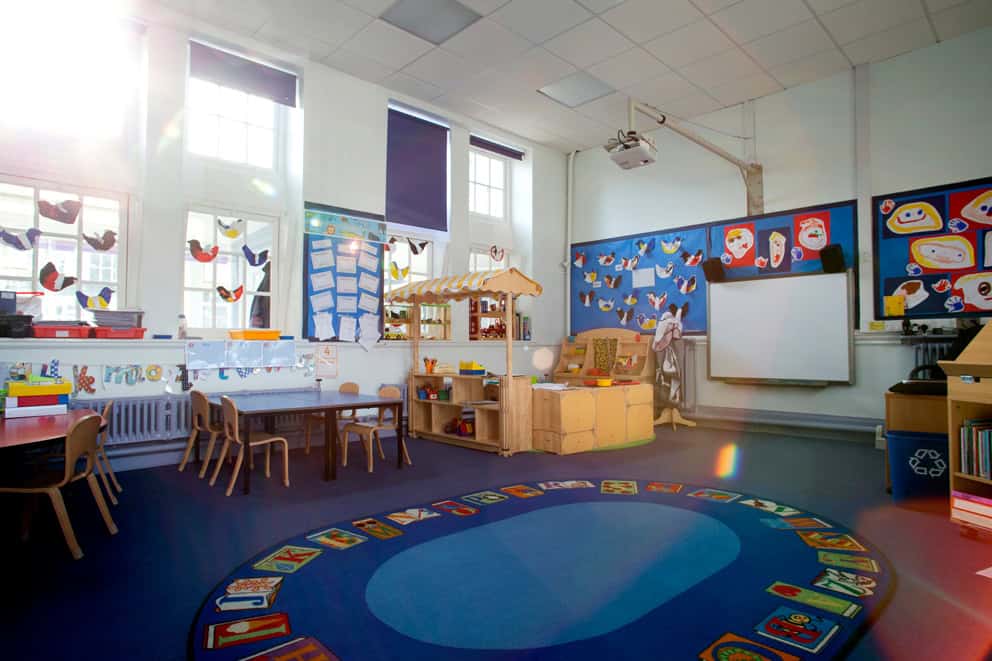
Across a typical educational building, you’ll find:
Managing the safety and compliance of all these systems is a significant responsibility. And it’s one that falls squarely on the shoulders of school leadership and estates teams.
This guide sets out what schools are required to do and what good practice looks like. We’ll also run through the practical considerations that make electrical compliance in educational settings different from other commercial premises.
The primary legislation governing electrical safety in schools is the Electricity at Work Regulations 1989. These regulations place a duty on employers to ensure that all electrical systems are constructed, maintained and used in a way that prevents danger. School governing bodies, academy trusts and local authority education teams fall under that “employers” umbrella. There’s no prescribed inspection interval written into the regulations, but the duty to maintain systems safely is ongoing.
Alongside this, the Health and Safety at Work etc. Act 1974 requires employers to ensure the health, safety and welfare of employees and anyone else affected by their activities. This includes pupils and visitors. For schools, this means electrical hazards must be identified, managed and mitigated through regular inspection and prompt remedial action.
Schools that are subject to Ofsted inspection should also be aware that health and safety management (including the upkeep of electrical systems) forms part of the broader assessment of how well a school is led and managed.
An Electrical Installation Condition Report (EICR) is the primary mechanism for assessing the safety of a school's fixed electrical installation. It examines the condition of wiring, distribution boards, sockets, switches and associated equipment against the requirements of BS 7671. That’s the national standard for electrical installations.
For most commercial premises, an EICR is recommended every five years. Schools should follow the same baseline, though the appropriate interval will depend on the age of the building, the extent of any previous remedial work and how heavily the electrical infrastructure is used.
Older school buildings may require more frequent assessment, particularly those built before the 1970s. That’s because wiring in these premises is more likely to have deteriorated or fallen short of current standards.
Any issues identified in an EICR are categorised as:
C1 and C2 items require prompt attention. A school operating with unaddressed C1 or C2 faults is exposing pupils and staff to risk and likely to be in breach of its legal obligations.
Portable appliance testing covers any electrical equipment that’s not part of the fixed installation and can be moved or plugged in. In a school, this includes:
There’s no single statutory requirement specifying how often PAT testing must take place. The obligation under the Electricity at Work Regulations is to ensure appliances are safe. And PAT testing is the recognised way to demonstrate that obligation is being met.
In practice, high-use equipment such as computers and kitchen appliances is typically tested annually. Lower-risk or infrequently used items may be tested on a longer cycle.
It’s worth noting that a visual check is part of every PAT test, and in a busy school environment, damaged cords and cracked plugs are common findings. Keeping a clear record of test results for each appliance helps schools demonstrate compliance and makes it straightforward to identify when retesting is due.
Emergency lighting needs to activate automatically in the event of a mains power failure. It provides sufficient illumination for occupants to evacuate safely. In a school, this includes corridors, stairwells, assembly points and any other area on an escape route.
Emergency lighting testing is required at regular intervals:
Additionally, these tests must be documented. A school that can’t produce records of its emergency lighting tests would face difficult questions in the event of an incident or during a fire safety inspection.
Speaking of fires, a school's fire alarm system requires servicing by a competent engineer at least twice per year under BS 5839. In addition to these visits, the responsible person within the school should be carrying out weekly alarm activations to check that the system is functioning correctly.
Fire alarm servicing and emergency lighting are closely linked in practice. Both relate to the safety of occupants during an emergency, and both require documented maintenance records. Managing them together, under a single compliance schedule, is a sensible approach for most schools.
One practical consideration that sets schools apart from other commercial premises is the academic calendar. Testing and inspection work is far less disruptive when it takes place during school holidays. In some cases, accessing certain areas of the building requires the site to be clear of pupils entirely.
Estates managers and bursars should plan their compliance schedule well in advance. That means mapping testing requirements against holiday dates and any planned building works. It’s also worth noting that summer is typically the busiest period for electrical contractors working in education, so early booking is advisable.
A planned preventative maintenance schedule gives schools confidence that nothing is being missed. Documented and reviewed annually, it provides a clear audit trail should questions arise from governors, trustees, insurers or inspectors.
Not all electrical contractors are equipped to work in schools. The responsible person should look for contractors who hold NICEIC accreditation as a minimum. Above all, this provides independent assurance that the company meets the required standards for commercial electrical work.
SafeContractor accreditation is also worth looking for, as it confirms that the contractor's health and safety practices have been independently verified. Needless to say, that’s an important consideration in any environment where children are present.
Experience matters too. An electrical testing contractor familiar with educational premises will understand the access constraints, documentation requirements and the need to minimise disruption to teaching. It’s reasonable to ask a contractor about their experience in schools before appointing them.
Volta Compliance supports schools and academy trusts across Yorkshire, Lancashire and the wider UK with EICR, PAT testing, emergency lighting testing and fire alarm servicing. To discuss your school's compliance requirements or arrange an inspection, contact our team on 0113 436 0402 or email info@voltacompliance.com.
