Call
0113 436 0402

Request A Quote
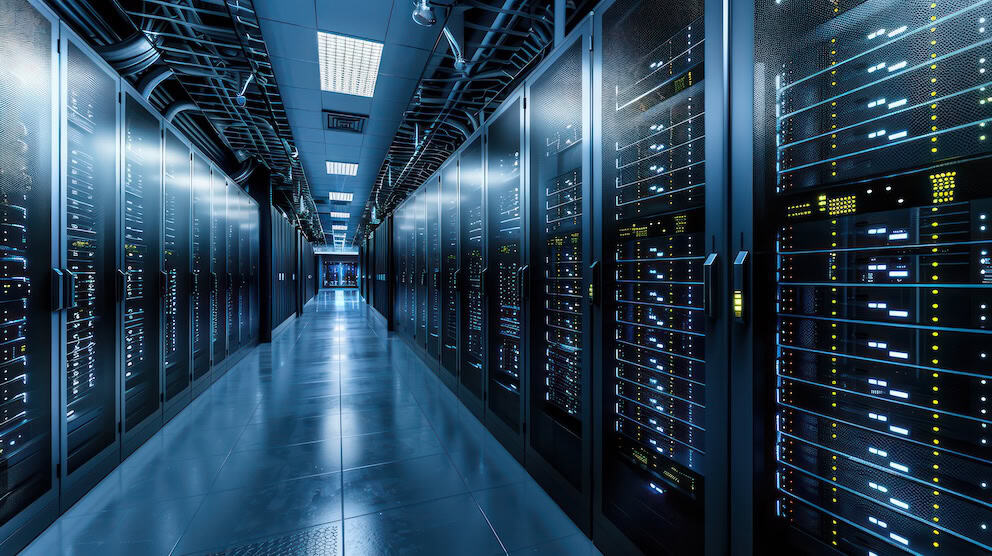
In environments where availability is critical, a structured approach to electrical compliance is essential for protecting people, infrastructure and business continuity.
Electrical compliance in data centres and server rooms focuses on maintaining installations so they remain safe, reliable and aligned with regulatory expectations. This includes meeting the requirements of the Electricity at Work Regulations, following recognised industry standards and keeping equipment in a condition that prevents danger.
These environments bring specific risks. High power demand, dense equipment racks and continuous operation mean that components are under constant stress. Without planned maintenance and routine inspection, even minor deterioration can escalate into safety hazards or operational failures. Understanding these risks is the first step in building an effective compliance strategy.
Downtime has severe consequences in digital environments. A fault in a distribution board, cable tray or power supply can interrupt essential services without warning. Compliance is therefore about more than meeting legal obligations. It supports operational resilience and reduces the likelihood of unplanned outages.
Electrical systems in these facilities often run close to capacity. Heat, vibration and load fluctuations can wear components faster than in typical commercial settings. A compliant installation ensures protective devices operate correctly, earthing arrangements are robust and connections remain secure. This reduces the risk of fire, shock and equipment failure, keeping critical systems online.
The nature of server rooms and data centres means electrical risks can develop quickly. Some of the most common issues include overheating, overloaded circuits and deteriorating insulation. These may not always be visible during day-to-day use, but they can compromise safety if left untreated.
Equipment density can also contribute to hidden faults. Vibrations from cooling systems and continuous operation can loosen terminations over time. Cable management issues may restrict airflow or cause physical stress on connectors. While facilities staff may spot symptoms such as flickering lights or tripping circuits, diagnosing the cause requires a qualified electrician.
Fire risk is another important consideration. Damaged connectors, poor-quality installations and aged distribution equipment can all heat up under load. In a data centre environment, where airflow is carefully controlled and hardware is densely packed, a small ignition source can quickly escalate.
While technical work must always be carried out by a qualified electrician, staff working in these environments can still look out for early indicators that something is not right. Subtle warning signs can help prompt timely investigation before faults become more serious.
Unexpected breaker trips are one of the clearest indicators that a circuit is under stress. If power to racks or cooling equipment cuts out intermittently, this may suggest underlying wiring or load issues. Similarly, unusual behaviour from equipment, such as frequent reboots or power fluctuations, may point to unstable electrical supply.
Hot spots around outlets, distribution boards or equipment panels can also indicate loose connections or overloaded circuits. A faint smell of burning plastic, even if temporary, should always be treated as a warning sign. In technical facilities, these early signs often appear before more obvious failures occur.
Regular inspections are central to electrical compliance. An Electrical Installation Condition Report assesses the overall condition of the installation and identifies deterioration or defects that could lead to danger. For data centres and server rooms, inspection intervals may be more frequent than in general commercial buildings due to the higher load and critical nature of the equipment.
Thermal imaging is particularly valuable in these environments. It allows electricians to identify hot spots in switchgear, power distribution units and cable routes without interrupting service. This proactive approach is effective for spotting loose connections, overloaded components or uneven load distribution before they lead to failure.
Portable Appliance Testing also plays a role in keeping smaller equipment safe. Faults in power supplies, UPS units and IT peripherals can contribute to wider electrical issues if left unaddressed. Routine testing ensures these items remain in good working condition and compliant with safety expectations.
Data centres and server rooms rely heavily on backup power to maintain uptime. Systems such as UPS units, generators and automatic transfer switches must remain in good condition to operate effectively during an outage. Compliance therefore includes scheduled testing, maintenance and record keeping for all standby systems.
Batteries in UPS units degrade over time and need routine inspection. Load bank testing ensures generators can support the electrical load when required. Transfer equipment should be checked to confirm changeovers happen smoothly and reliably. These checks help maintain resilience and prevent failures during critical moments.
Accurate documentation is an essential part of compliance. Data centres typically have numerous interconnected systems, each with its own testing and maintenance requirements. Keeping clear, up to date records helps ensure nothing is overlooked and provides evidence of compliance during audits or inspections.
This includes EICR reports, PAT testing records, thermal imaging surveys, maintenance logs and certificates for remedial work. Storing documents securely and in one place helps facilities teams track upcoming deadlines and confirm that all electrical systems remain within compliance expectations.
Good documentation is also valuable for long term planning. Analysis of inspection reports can help identify recurring issues or areas of the installation that require upgrades. This supports better decision making around preventative maintenance and future investment.
A proactive approach to electrical safety helps reduce the risk of faults and supports the smooth operation of critical equipment. Good housekeeping, regular maintenance and clear procedures are key elements.
Facilities teams can help by ensuring cable routes remain tidy, equipment racks are not overloaded and airflow around power equipment is maintained. Staff should report any unusual smells, discolouration or persistent equipment issues promptly. While these observations do not replace professional inspections, they support early identification of risk.
Any work on electrical installations must be carried out by accredited electricians with experience in technical environments. These teams understand the specific demands of data centres and server rooms, including the need to minimise disruption during testing and repairs.
Electrical compliance is fundamental to maintaining safety, continuity and performance in data centres and server rooms. Regular inspections, proactive maintenance and robust record keeping all contribute to reducing risk and preventing downtime. By addressing issues promptly and working with qualified professionals, businesses can ensure their technical environments remain secure, efficient and compliant.
At Volta Compliance, we support data centres, server rooms and technical facilities across Yorkshire and the wider UK with specialist inspections, thermal imaging, remedial work and ongoing maintenance. Our experienced team helps you stay in control of your electrical infrastructure, with clear reporting and reliable support whenever you need it.
